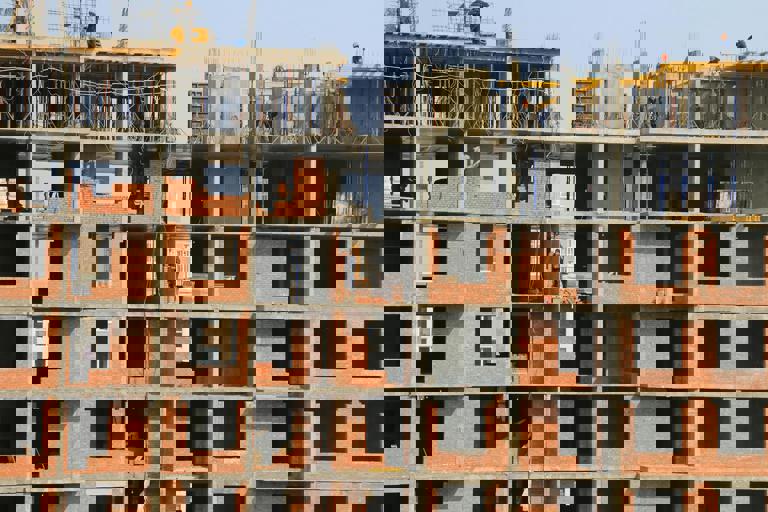
The federal government made headlines this week by announcing a historic series of infrastructure investments aimed at revitalizing the nation’s economy. The ambitious plan includes substantial funding for roads, public transit, and key port facilities across Canada. Officials described the initiative as a game-changer, designed to address pressing infrastructure needs while laying the foundation for future economic growth. The timing, however, comes amid heightened concerns about rising budget deficits and inflationary pressures.
At a press conference in Ottawa, Minister of Infrastructure and Communities, Annie Carron, detailed the sweeping proposal. "Canadians deserve a modern, resilient infrastructure that keeps our economy moving," Carron stated. She emphasized the strategic focus on high-priority transit corridors and trade gateways. The plan earmarks over $50 billion in phased investments over the next decade, making it one of the largest infrastructure funding commitments in Canadian history.
Among the key components of the plan are significant upgrades to existing highways, the expansion of light rail and bus networks in major urban areas, and modernization projects at key Atlantic and Pacific ports. According to government documents, these initiatives are expected to create tens of thousands of jobs in construction, engineering, and maintenance. Economists argue that such investments, if executed efficiently, could provide a much-needed boost to the national economy.
Yet, not everyone is convinced the timing is optimal. Critics from opposition parties have voiced concern that the massive spending could exacerbate already worrisome budget deficits. "While investments are crucial, we can’t ignore the strain this places on public finances," said Conservative Party finance critic, Michelle Duval. She questioned whether the program risks adding fuel to inflation, which has strained Canadian households in recent years.
In response, federal officials have contended that infrastructure spending is an investment, not merely an expense. They point to research from the Parliamentary Budget Office suggesting that every dollar spent on infrastructure generates up to $1.50 in economic activity over the long term. Such returns, ministers argue, help justify short-term increases in the deficit, especially when borrowing rates remain relatively low.
Business leaders and trade associations largely welcomed the plan, highlighting the urgent need for modernized infrastructure to support Canada’s position in global trade. "Our ports and transportation networks are the backbone of our export economy," said Marielle Wong, CEO of the Canadian Chamber of Commerce. She underlined that delayed repairs and upgrades have already cost jobs and deterred investment from international partners.
Environmental groups have also staked their interests on the proposal, with many expressing cautious support. Several organizations noted that investment in public transit could substantially lower urban emissions and ease congestion. However, they urged the government to prioritize sustainable designs and low-carbon technologies, warning against the expansion of highways at the expense of ecological considerations.
Provincial and municipal leaders are keenly watching the rollout of federal funds. Some premiers have called for greater flexibility in how the money is allocated, arguing that local leaders better understand their communities' specific infrastructure gaps. Mayors from mid-sized cities particularly emphasized the opportunity to address long-standing deficiencies in public transit and urban renewal initiatives.
Beyond economic stimulus and job creation, officials highlighted the broader societal impacts targeted by the investments. Improved infrastructure, they argued, improves safety, accessibility, and resilience to climate change-induced events like flooding and wildfires. "This isn’t just about building roads—it’s about building communities that can thrive for generations," said Minister Carron.
As the details of the plan become public, legislative pushback and questions about implementation efficiency are likely to continue. Budget watchdog groups have called for rigorous transparency and accountability throughout the process. With Parliament set to debate the specifics later this month, Canadians will be watching closely to see whether promises of growth and long-term stability will ultimately outweigh immediate fiscal concerns.